

3mm clear float glass
Kəpənək klapanları, sənaye və inşaat sistemlərində geniş istifadə olunan bir növ valfdır. Bu klapanların populyarlığı, onların sadə strukturu, az yer tutması və yüksək səmərəliliyi ilə əlaqədardır. Kəpənək klapanları, müxtəlif mühitlərdə, o cümlədən su, qaz, kimyəvi maddələr və digər mayelərin axınını nəzarət etmək üçün istifadə edilir. Kəpənək klapanlarının əsas strukturu, valf gövdəsi içərisində dönen bir diskin (kəpənək) olduğu bir dizayndır. Bu disk, axın istiqamətinə paralel olan bir mövqedə açılır və bağlanır. Diskin açılması və bağlanması, kəpənək klapanının effektiv işini təmin edərək, axın səmərəliliyini artırır. Klapan açıldığında, maye sərbəst şəkildə axa bilir, bağlandığında isə tamamilə dayandırılır. Bu, kəpənək klapanlarının müxtəlif proseslərdə rahatlıqla istifadə edilməsini təmin edir. Kəpənək klapanların istifadəsi müxtəlif sənaye sahələrində geniş yayılmışdır. Məsələn, su təchizatı sistemləri, neft və qaz sənayesi, kimya istehsalı və HVAC (iqlimləndirmə, ventilyasiya və isitmə) sistemləri kimi sahələrdə kəpənək klapanları böyük rol oynayır. Onlar, tələblərə uyğun olaraq, müxtəlif ölçü və materiallardan istehsal edilir, məsələn, polad, alüminium, plastmas və s. Bu, onların istifadə sahəsini genişləndirir və müxtəlif şərtlərə uyğunlaşmalarını təmin edir. Kəpənək klapanlarının bəzi üstünlükləri vardır. Birincisi, onların açıb-bağlama prosesi çox sürətlidir. İkincisi, kəpənək klapanları az yer tutduqları üçün dar yerlərdə belə asanlıqla quraşdırıla bilir . Üçüncüsü, bu klapanlar nisbətən aşağı qiymətə istehsal olunur, buna görə də maliyyə cəhətdən səmərəli bir seçimdir. butterfly valve Lakin, kəpənək klapanlarının bəzi çatışmazlıqları da mövcuddur. Məsələn, yüksək təzyiq altında işlədikdə, kəpənək diski deformasiya ola bilər. Həmçinin, bu klapanlar tam bağlanma təmin etmir, buna görə də sızmalar üzərində diqqətli olmaq lazımdır. Əgər klapan düzgün seçilməzsə və ya quraşdırılmayacaqsa, sistemin səmərəliliyinə ciddi təsir göstərə bilər. Kəpənək klapanlarının düzgün seçilməsi və quraşdırılması, sistemin ümumi performansını artırmaq üçün önəmlidir. Klapanın ölçüsü, materialı və tətbiq sahəsi kimi faktorlar, onun seçilməsində rol oynayır. Bütün bu vasitələrin düzgün işləməsi üçün müntəzəm texniki baxım da vacibdir. Nəticə olaraq, kəpənək klapanları sənaye tətbiqlərində əvəzsiz bir rola malikdir. Onlar, sadə konstruksiyaları, yüksək səmərəlilikləri və geniş istifadə imkanları ilə, müasir sistemlərin ayrılmaz hissəsi olmuşdur. Kəpənək klapanlarının istifadəsi, sistemlərin təhlükəsiz və səmərəli işləməsini təmin etməklə yanaşı, müvəffəqiyyətli proseslərin həyata keçirilməsində də mühüm rol oynayır.
about
3mm clear float glass
Understanding Pilot Operated Check Valves Key Components in Hydraulic Control Systems In the realm of hydraulic systems, the functionality and reliability of components play a crucial role in maintaining system efficiency and safety. Among these components, pilot operated check valves stand out as sophisticated regulatory devices that offer enhanced control over fluid flow. This article delves into the intricate workings, applications, and benefits of pilot operated check valves, underscoring their significance in modern hydraulic machinery. **Introduction to Check Valves** Fundamentally, a check valve is a unidirectional valve that permits fluid flow in one direction while preventing backflow, ensuring process continuity and protecting system components from damage due to unintended pressure reversals. Simple check valves operate based on differential pressure, opening when the upstream pressure exceeds a certain threshold and closing automatically when this pressure drops or reverses. **Pilot Operated Check Valve An Overview** A step above conventional check valves, the pilot operated check valve (POCV) employs an additional level of control through a pilot mechanism. Unlike standard check valves that rely solely on fluid pressure for operation, POCVs use a separate, low-pressure signal (the pilot pressure) to control the main valve's opening and closing. This design introduces a higher degree of regulation and responsiveness, making them particularly valuable in complex hydraulic circuits. **Operating Principle** The heart of a POCV lies in its dual-chamber design. The primary valve body, akin to a traditional check valve, consists of a spring-loaded poppet that seals against a seat to halt reverse flow. However, this poppet is controlled not directly by the main line pressure but by a smaller, secondary valve – the pilot valve. The pilot valve responds to a separate, low-pressure signal, which when activated, relieves pressure behind the poppet, allowing it to open under the influence of the upstream pressure. This setup enables the POCV to remain closed even under high differential pressures until the pilot signal commands otherwise, providing precise control over the fluid's directional flow. Conversely, when the pilot pressure is relieved, the spring forces the poppet to seal, effectively halting any potential backflow Conversely, when the pilot pressure is relieved, the spring forces the poppet to seal, effectively halting any potential backflow Conversely, when the pilot pressure is relieved, the spring forces the poppet to seal, effectively halting any potential backflow Conversely, when the pilot pressure is relieved, the spring forces the poppet to seal, effectively halting any potential backflow pilot operated check valve . **Key Benefits and Applications** The precision control offered by POCVs makes them indispensable in several hydraulic applications 1. **Accumulator Isolation** In systems with accumulators, POCVs prevent pressurized fluid from flowing back into the pump during operation, ensuring efficient energy usage and system protection. 2. **Pressure Holding Circuits** They are used to maintain pressure in specific parts of a circuit, even when the main pump is deactivated, facilitating functions like brake locking or tool holding in machinery. 3. **Overload Protection** By integrating POCVs with relief valves, they can provide an additional layer of safety against excessive pressure spikes, safeguarding sensitive equipment. 4. **Cylinder Control** In hydraulic cylinders requiring precise motion control, POCVs can regulate the extension and retraction sequences, enhancing operational smoothness and accuracy. **Conclusion** Pilot operated check valves exemplify the integration of advanced technology into hydraulic systems, offering a blend of responsiveness, control, and safety. Their ability to precisely manage fluid flow based on external signals elevates their utility beyond conventional check valves, making them a preferred choice in numerous industrial and mobile hydraulic applications. Understanding the principles and benefits of POCVs is essential for engineers and technicians aiming to optimize system performance and reliability. As hydraulic systems continue to evolve, the strategic implementation of components like POCVs will play a pivotal role in achieving higher levels of efficiency and control.
-

High quality industrial productsagement

High quality industrial products
View Details -

Meet the diverse needs of customers

Meet the diverse needs of customers
View Details -

Strict quality control

Strict quality control
View Details -

Top raw materials

Top raw materials
View Details -

Trusted supplier

Trusted supplier
View Details
Our application
news and information
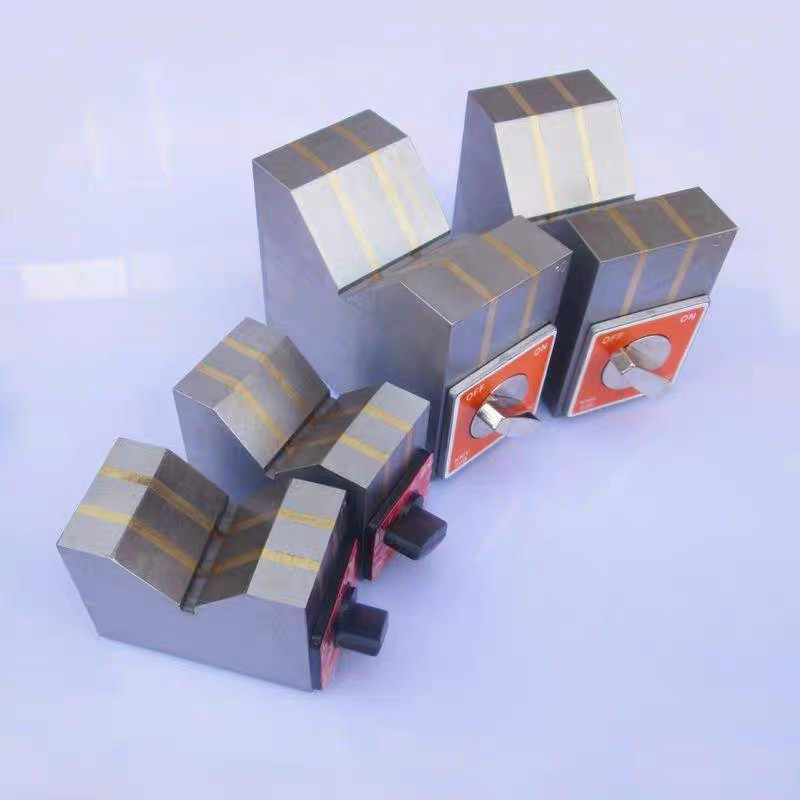
Using Thread Ring Gauge for Precision Measurement and Quality Assurance in Manufacturing
The Importance of a Thread Ring Gauge in Quality Control In the realm of engineering and manufacturi
Vente de clapets anti - retour
Vente de vannes anti-retour Un choix judicieux pour votre système hydraulique Les vannes anti-retou
v Hướng dẫn
Hướng Dẫn Về Rào Chắn V Trong cuộc sống hiện đại, việc bảo đảm an toàn giao thông là một trong những
 English